las vegas best car wrapping for custom automotive styling
Transform Your Vehicle With Top-Tier Auto Tint and Wraps Options
Upgrading a car with luxury auto tint and wraps can noticeably improve its look and functionality. These services deliver a combination of design and protection, addressing individual tastes and demands. From shielding against UV rays to enhancing temperature regulation, the advantages evaluation are evident. Nonetheless, picking the correct features and installation methods can be overwhelming. Knowing the various aspects of auto tint and wraps is vital to making a well-informed decision. What should one look at next?
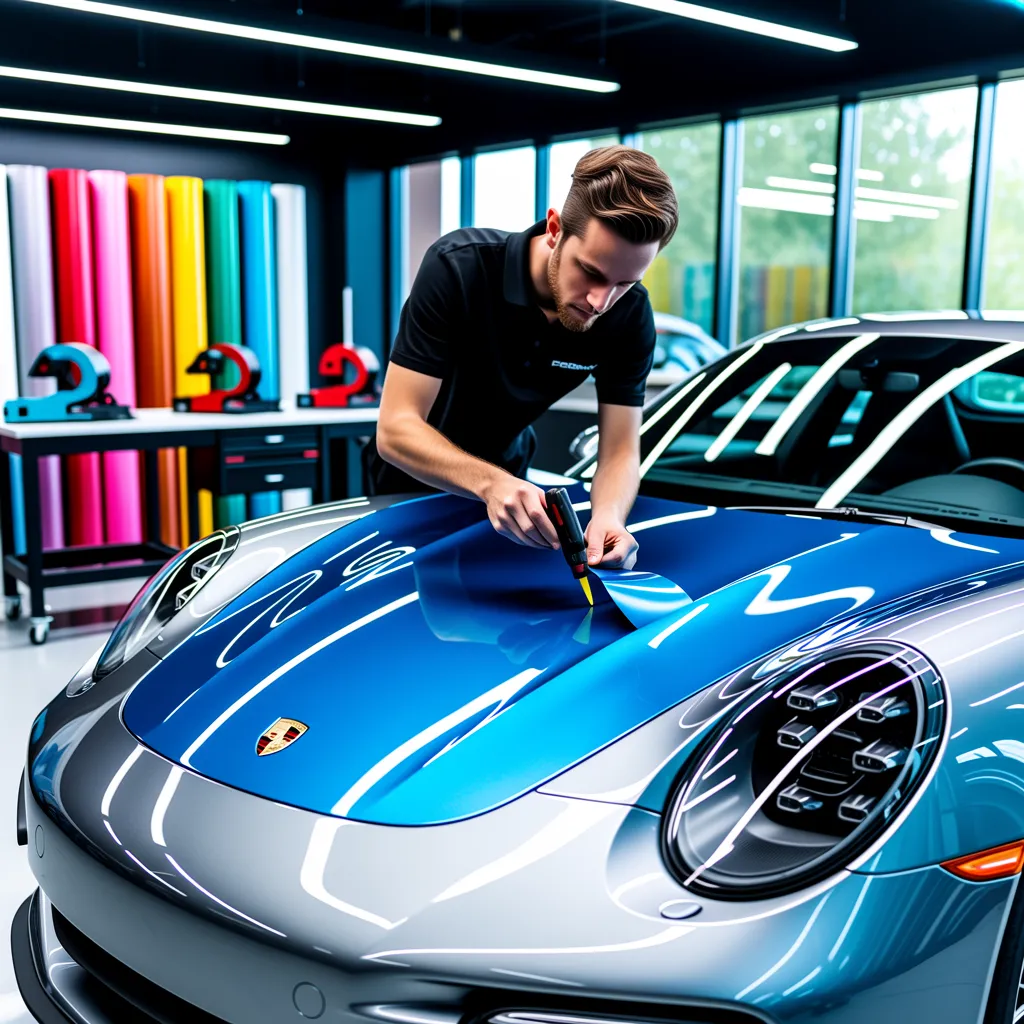
The Benefits of Premium Auto Tint and Wraps
Quality auto tint and wraps enhance both the aesthetic and functional qualities of vehicles. These processes present a streamlined appearance, letting vehicle owners to convey their individuality while upholding a polished look. Additionally, premium auto tint serves as a protective barrier against adverse UV rays, reducing interior fading and guarding passengers from sun exposure. It can also help regulate vehicle temperature, supporting overall comfort.
Additionally, premium wraps offer a layer of safeguard against scratches and minor abrasions, preserving the car's original paint. This can be especially beneficial for those seeking to preserve resale value. Furthermore, wraps can be readily taken off or altered, providing versatility for those who desire to refresh their car's look without a permanent commitment. Overall, premium auto tint and wraps combine style with functional benefits, making them a worthwhile investment for any vehicle owner.
Varieties of Auto Wraps to Examine for Your Car
When assessing vehicle upgrades, auto wraps come in various types, each providing unique benefits and aesthetic options. One common choice is the full wrap, which envelops the entire vehicle, allowing for a complete makeover in color and design. This option can greatly alter the vehicle's appearance while also delivering protection against scratches and UV damage.
Partial wraps represent an alternative option, highlighting specific areas such as the hood, roof, or doors. This alternative is suitable for those seeking to make a visual impact without overpowering the original paint job.
For businesses, personalized graphic wrappings featuring logos and branding can improve brand presence and advertise offerings effectively. Additionally, specialty wraps, such as matte, gloss, and metallic finishes, provide distinctive surface qualities and visual appeal. Each type of auto wrap fulfills distinct purposes, making it crucial to assess personal choices and vehicle needs when selecting the ideal option.
How to Pick the Right Auto Tint for Your Vehicle
Selecting the appropriate auto tint requires comprehending the different kinds available and ensuring adherence with legal regulations. Different tint materials and tones can affect appearance, thermal control, and privacy. Familiarity with local laws is essential to prevent possible penalties and confirm the selected tint meets vehicle requirements.
A Comprehensive Review of Tint Types
Determining the correct auto tint can markedly enhance both the character and functionality of a automobile. Assorted tint types are available, each contributing particular benefits. Dyed window film is economical and extends privacy while shielding from UV rays. Metalized tints reflect heat and fortify durability, making them optimal for climates with intense sunlight. Ceramic window films, though premium-priced, extend superior heat rejection and clarity without interfering with electronic devices. Additionally, hybrid tints combine elements from both dyed and metalized films for a balanced option. When determining a tint, one should weigh factors such as heat rejection, visibility, and personal style preferences. At the end of the day, the optimal tint type can enhance the look of a vehicle's appearance while providing essential protection.
Legal Tint Rules
Grasping auto tint requirements is important for anyone contemplating auto tint installation. Each state maintains specific regulations dictating the allowable level of tint darkness, typically measured by Visible Light Transmission (VLT) percentages. For illustration, certain states authorize more opaque tints on rear windows while limiting front-side and windshield tints to lighter shades. Furthermore, rules may vary depending on automobile type, featuring exceptions for select commercial vehicles. It is critical for vehicle owners to examine their state's regulations to sidestep penalties and ensure adherence. Consulting with a professional tinting company can provide clarity and help in picking the appropriate tint that fulfills both visual wishes and legal conditions. Following to these regulations will enhance both the vehicle's look and protection.
Do You Prefer Professional Installation or Choose the DIY Route?
When assessing whether to opt for expert application or a DIY approach for auto tint and wraps, the decision depends on multiple critical elements. Professional installation often guarantees a flawless result, using experienced professionals acquainted with the subtleties of different material types. This expertise reduces hazards stemming from misalignment, bubbles, and damage to the automobile. Additionally, numerous experts supply warranties, delivering reassurance against potential defects.
Conversely, self-sufficient individuals may go for budget savings and the contentment of finishing a project independently. However, this method requires a major commitment of time and effort, combined with a educational curve for correct methods. Missteps can produce pricey reapplication or even damage, possibly negating initial savings.
In the end, individuals should assess their competence, spending capacity, and target goal, balancing the merits of expert confidence against the allure of a personal project. Each decision presents distinctive perks suited for varied needs and conditions.
How to Preserve Your Auto Tint and Wraps
Taking care of auto tint and wraps is crucial to preserve their look and durability, as neglect can cause premature fading and peeling. Regular maintenance includes gentle washing with a neutral soap solution and a soft microfiber cloth to prevent scratches. It is vital to avoid harsh chemicals and instruments that could damage the surface.
In addition, car owners should allow the tint or wrap to cure fully, typically for about a week, before subjecting it to severe weather conditions. Placing it in shadowy locations or using a car cover can shield the finish from UV rays and environmental contaminants.
Moreover, it's prudent to maintain surfaces devoid of waxes or sealants, as these can obstruct the tint's adhesion. Finally, ongoing evaluations for any indications of peeling or deterioration will help resolve issues quickly, ensuring the vehicle remains in top-notch shape.
Discovering Trusted Tint and Wrap Solutions Near You
Where can one locate trustworthy tint and wrap services nearby? Individuals seeking established services should begin by performing online research. Search engines can provide a list of local businesses with customer reviews, ratings, and service details. Social media platforms and community forums also serve as valuable resources, where users post personal experiences and recommendations.
In addition, inquiring with your network and peers for referrals can point you to reputable providers. Exploring local automotive shops can uncover knowledge about quality tinting and wrapping solutions, as many establishments connect with such professionals.
Once prospective candidates are identified, it is necessary to verify their certifications and portfolio, ensuring quality and expertise. Comparing quotes and warranties can also support making an informed decision. Ultimately, thorough research and personal recommendations are fundamental for finding reputable tint and wrap services that will enhance a vehicle's look and functionality.
Often Sought Answers
What is the usual Duration of the Installation Process?
The setup typically takes between two to five hours, varying with your vehicle's dimensions and the complexity of your window treatment. Additional factors including preparation and curing time can also change the overall duration.
Does Auto Tint Affect My Vehicle's Protection?
Auto tinting rarely cancels a car's protection, as long as it is professionally applied and respects manufacturer guidelines. However, it's important to assess particular warranty language to guarantee coverage remains active.
Are Overlays Safely Removed Without Affecting the Finish?
Wraps may often be stripped off without causing damage to the paint if correctly applied. However, considerations like the age of the wrap and paint condition could influence the outcome, so caution is always advisable during removal.
Do Legal Restrictions Exist for Tint Darkness in My Area?
Tint darkness rules differ depending on the region. Individuals ought to consult local regulations or requirements to verify compliance. Neglecting these guidelines could result in fines or the need for removal.
How can I determine if my tint offers UV protection?
To ascertain if tint is protective against UV rays, one can check product specifications for UV ratings, speak with the installation professional, or search for labels indicating UV-blocking properties. Examining with a UV meter can also provide verification.